Course Description
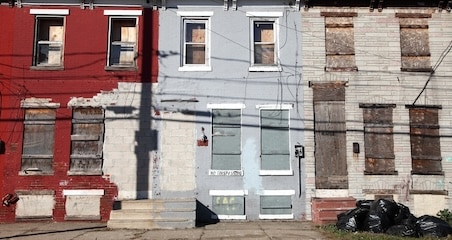
This course engages students in a study of the systemic roots of many social challenges in the United States, with a particular focus on poverty, justice, and race. Students examine how historical narratives, social structures, and public systems have shaped unequal outcomes, especially for Black Americans. The course invites critical reflection on how these realities developed and how they continue to affect everyday life across areas such as education, health, housing, and the criminal justice system.
The course also poses reflective and ethical questions for students as Muslim women who love this faith. Do we understand the realities faced by marginalized communities, and do we bring these concerns sincerely to Allah in prayer? What roles do we play in society, whether through silence, action, or advocacy? Students are encouraged to examine their own positions within systems of power and responsibility, and to consider what meaningful change looks like within their spheres of influence and concern. Grounded in reflection, learning, and accountability, the course emphasizes both inner heartwork and outward responsibility in responding to injustice.
This course intentionally centers Black Muslim scholarship, lived experience, and intellectual traditions as essential sources of knowledge for understanding poverty, justice, race, belonging, and social transformation in America. Through engagement with Black Muslim authors, educators, and community builders, students will examine both the realities of injustice and the traditions of resilience, faith, service, and institution-building that have helped communities flourish.
Attendance Policy
Live attendance is highly recommended. Joining live allows you to engage with your instructor and fellow students, participate in discussions, and be part of the course community.
We understand that schedules may make live attendance difficult. All sessions are recorded and made available to students.
Technology Requirements
To ensure a successful online learning experience, all students must have regular access to a personal computer and reliable high-speed internet. Courses at Ribāṭ University are delivered through Canvas and may include video lectures, interactive discussions, digital readings, and multimedia assignments.
Students are responsible for maintaining the technology needed to participate fully.
Minimum Technical Requirements
Computer:
A desktop, laptop, or similar device manufactured within the last five years and capable of running current software and updates. Students should not rely solely on a phone, as coursework requires a full computer interface and functionality.
Operating System:
The computer operating system should be kept current with all recommended security updates and upgrades.
Internet:
A high-speed broadband connection with a minimum speed of 5 Mbps download and 2 Mbps upload.
Web Browser:
A current version of Chrome, Firefox, Safari, or Microsoft Edge.
Software:
Microsoft Office, Google Workspace, or Apple productivity applications for word processing,
presentations, and spreadsheets; a PDF reader such as Adobe Acrobat; and updated antivirus and security software.
Multimedia:
A functional webcam, microphone, and speakers or headset for participating in live sessions and assessments.
Technology Skills
Students should be comfortable with basic computer operations, including using email, browsing the internet, uploading and downloading files, and navigating an online learning platform. Training resources and orientation will be provided for students who need additional guidance.
Additional Notes and Technical Support
- Students are expected to check course announcements and email regularly.
- Technical support is available for login issues, course access, and basic troubleshooting.